
Scope, Sources, and Objectives of the 2025 Update
This updated report represents a significant step forward compared to the previous edition published in June 2024 [1]. While last year’s work focused on raw reporting data from eleven European countries, the present update considerably expands both the geographical coverage and the institutional basis of the dataset. For the first time, this annual overview can rely not only on long-standing national civilian organisations and official bodies, but also on newly established or revitalised networks and an unprecedented level of international data sharing. Two major developments have shaped this year’s update.
The first is the integration of five additional European countries for which reliable national-level inputs could be obtained through the creation, reactivation, or continuation of local organisations. In the Czech Republic, the former Projekt Záře has been successfully revitalised under the new name Tým Záře, restoring national data-collection efforts that had stalled after 2020. In Greece, the establishment of GRUFON (Greek UFO Network) in September 2025 marks the first attempt in decades to structure a sustained national framework for UAP reporting and analysis. Spain has also made important progress with the inclusion of Project CUCO (created in 2002), which finally extends systematic data collection beyond the long-standing but geographically limited activity of the CEI (Centre d’Estudis Interplanetaris), focused on Catalonia. In Portugal, the creation of CTEC Stellar in 2023 has reintroduced a national structure for the systematic collection of UAP reports, filling a long-standing gap in the Iberian peninsula. Finally, despite extraordinary circumstances, Ukraine has managed to contribute updated data through two complementary channels. Long-term civilian research activity continues via SRCAA Zond, an organisation operating under the Aerospace Society of Ukraine, which has pursued the scientific investigation of anomalous phenomena continuously since 2004, building on a tradition initiated in the early 1980s under the National Academy of Sciences. In addition, this edition incorporates for the first time aggregated 2023–2024 data from the Ukrainian government’s ePPO (electronic air-defence) civilian reporting application, now used by more than 800,000 citizens. As ePPO allows the reporting of “UFO” observations alongside aircraft, drones, missiles, and helicopters, these figures reflect a unique wartime reporting context and are therefore treated separately, with a dedicated clarification later in this report.
The second major development is methodological and arguably even more consequential. For the first time, two of the world’s largest civilian UFO organisations, MUFON (Mutual UFO Network, USA) and NUFORC (National UFO Reporting Center, USA), have agreed to share their European data with EuroUfo.Net. This cooperation makes it possible to incorporate reports from European countries where no national civilian or official UAP organisation currently exists, thereby addressing one of the most persistent structural weaknesses of continental-level analyses.
Founded in 1969, MUFON is the world’s oldest and largest civilian UFO investigation and research network, operating through a structured case intake and field-investigation process. NUFORC, established in 1974, functions as a long-standing central repository for civilian sighting reports and has processed more than 170,000 cases worldwide, making a substantial portion of its data publicly accessible through its online archive.
Together, these two independent datasets significantly expand the geographical reach and empirical depth of the European UFO Barometer. EuroUfo.Net wishes to express its warm thanks to Bob Spearing, MUFON Director of International Investigations, for kindly making European data from the MUFON database available for this work; and to Christian Stepien, NUFORC Chief Technology Officer, for facilitating access to NUFORC’s European data and supporting its inclusion in this comparative analysis.
Thanks to this cooperation, data from 24 additional European countries, previously missing from continental overviews, can now be included in a dedicated section of this report. For the 2019–2024 reference period, these MUFON-sourced inputs alone represent a total of 3,559 reported events across 29 countries,while NUFORC contributions comprise 1,185 reports covering 38 European countries. Taken together, these complementary datasets substantially broaden the empirical base of the European UFO Barometer and significantly improve its geographical reach.
As a result, this year’s update goes well beyond a simple annual refresh. It now combines the original core group of European countries with long-standing national UAP organisations, newly integrated countries with direct organisational contacts, and a large additional set of countries represented through MUFON’s and NUFORC's independent reporting systems. Collectively, these sources provide the most extensive and inclusive overview of reported UAP activity in Europe assembled to date.
To account for the diversity of data sources, the analytical framework of this report is deliberately differentiated. Graphical analyses and longitudinal comparisons are restricted to countries with resident organisations and continuous national data collection, while data sourced from MUFON and NUFORC are presented separately in tabular form only.
On this basis, the report is organised into four main sections. The first section provides an overview of the annual evolution of UAP reports over the period under consideration. The second examines the evolution of UAP reporting in countries with established national organisations, incorporating complementary inputs from MUFON and NUFORC where applicable. The third presents UAP reports submitted to MUFON’s Case Management System from European countries without national collection structures, as a descriptive overview highlighting baseline reporting activity and future potential. The fourth provides a corresponding overview of NUFORC online database submissions from European countries lacking resident national reporting organisations.
As in previous editions, it is important to emphasise that the figures presented in this report primarily reflect reported observations, rather than confirmed anomalous phenomena. It is well known among researchers and investigators across Europe that the vast majority of these testimonies ultimately correspond to misidentifications of natural or human-made phenomena, including satellites (notably Starlink constellations), the International Space Station, drones, aircrafts, atmospheric effects, and common celestial objects such as stars and planets. While such cases dominate national datasets, their systematic collection remains valuable for understanding reporting dynamics, public perception, and the recurring sources of confusion that shape UAP statistics.
Only a very small fraction of cases remain unresolved after investigation, and even these rarely display strong evidential consistency. For example, within the French GEIPAN framework, the most recent cases classified as an “unidentified phenomenon” date back to 2022, with the previous comparable case recorded in 2020. A dedicated, cross-national analysis focusing specifically on the small subset of unresolved cases over the past five to ten years would therefore constitute a particularly relevant avenue for future research, but lies beyond the scope of the present report.
At the same time, important structural limitations persist. Despite gradual improvements in data sharing and consolidation, Europe still lacks a harmonised institutional framework for UAP data collection and analysis. In many countries, national datasets depend heavily on the sustained efforts of a very small number of volunteers, rendering reporting systems vulnerable to temporary interruptions or discontinuities. This fragility is illustrated by the absence of consolidated national data for the United Kingdom in 2024, as well as by partial gaps in the Italian dataset for also 2024.
In this context, EuroUfo.Net plays a useful coordinating role by providing a stable platform for collaboration, information exchange, and methodological discussion among national organisations and independent researchers across Europe. Although EuroUfo.Net does not constitute a formal institutional body, it facilitates continuity by maintaining long-term points of contact, encouraging data sharing, and promoting comparative approaches to national statistics. This informal but persistent network contributes to greater coherence in European-level analyses and helps mitigate, to some extent, the structural fragmentation that characterises UAP data collection at the continental scale. Nevertheless, the progress achieved since the previous report demonstrates that incremental, cooperative efforts, particularly across borders, can substantially improve the quality and scope of European UAP monitoring. The continued development of collaborative frameworks, both formal and informal, remains essential for advancing a more consistent and transparent understanding of reported UAP activity in Europe.
1. Annual Volume of Reported UAP Events in Europe (2019–2024)
Before examining country-level distributions, it is useful to consider the overall evolution of reported UAP events in Europe over the 2019–2024 period. Over the six-year reference period, a total of 33,656 UAP-related events were reported across 40 European countries covered in this update. Annual totals fluctuate within a relatively narrow range, from a minimum of 4,957 reports in 2021 to a peak of 6,849 in 2020, with an overall average of approximately 5,609 reports per year (see table 1). This general stability suggests that, at a continental scale, UAP reporting in Europe has remained broadly consistent over time, notwithstanding short-term variations linked to specific national contexts or external factors.
Table 1. Annual dataset values from 2019 to 2024
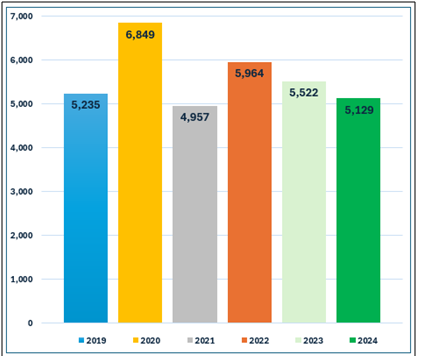
Note: 2024 data are incomplete for Italy and the UK, so total is underestimated.
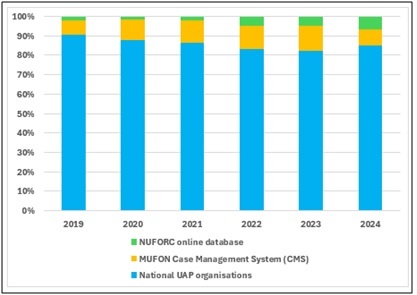
To clarify the composition of these annual totals, Table 2 presents the relative contribution of the three data sources used in this study, including the newly incorporated NUFORC data alongside national organisations and MUFON. As shown, national UAP organisations consistently provide the largest share of reports each year, forming the backbone of the European dataset, while MUFON and NUFORC contribute smaller, though valuable, portions of the data.
Table 2. Relative contribution of data sources to the annual European UAP dataset (2019–2024).
Regarding the noticeable peak between 2019 and 2020, it has been previously noticed that the sharp increase could be attributed to three countries: Belgium, Germany and the Netherlands. One strong hypothesis behind this increase is that that year was the beginning of the operational launches for the Starlink satellites by SpaceX. Confusion between these satellites and UAPs is common because newly launched satellites appear as eerie, bright, straight lines or "trains" of lights in the night sky, resembling unusual aerial phenomena, even for pilots, leading to numerous reports of UAP before they spread out into their operational orbits and become harder to see. These "satellite trains" are simply batches of 50-60 satellites released together, reflecting sunlight, and are easily visible during twilight hours, mistakenly identified as potential UAP.
In early 2020, another contextual consideration that was discussed by some researchers was the potential influence of COVID-19–related behavioural changes (such as changes in outdoor activity and sky-watching patterns during lockdowns) on the volume of UAP reports. However, empirical investigation into this hypothesis has not supported a causal link: for example, a study published in the Journal of Scientific Exploration found no evidence that pandemic-related behavioural shifts significantly affected UAP reporting rates in the United States[2]. While this context is interesting from a historical perspective, it should not be interpreted as a substantive explanatory factor for the 2020 peak in European data.
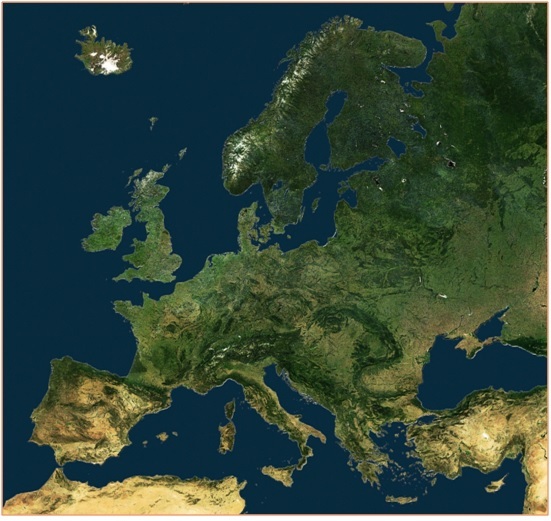
Of this six-year total, 28,912 reports (approximately 86%) originate from national civilian or official UAP organisations forming the primary analytical dataset, while 3,559 reports (around 11%) derive from the MUFON Case Management System (CMS) and 1,185 reports (about 3%) from the NUFORC online database. Although numerically smaller, the MUFON and NUFORC contributions play a disproportionate role in extending geographical coverage. Through this cooperation, reports from 24 additional European countries, previously absent from EuroUfo.Net continental overviews, are now incorporated into the Barometer. As a result, the 2025 update covers data from 40 European countries in total, substantially expanding both the demographic and territorial scope of the analysis (see Figure 1).
Figure 1. Basic Political map of Europe (for geographic orientation)

The comparatively lower total observed for 2024 should therefore be interpreted with caution. As discussed earlier, consolidated annual data are still missing for three organisations that normally contribute substantial volumes, most notably in the United Kingdom and Italy. Based on recent historical levels, the inclusion of these missing inputs would likely add several hundred additional reports, on the order of 700 to 800 cases, bringing the 2024 total close to that observed in 2022. The apparent decline in 2024 thus reflects limitations in data availability rather than a meaningful reduction in reporting activity.
Beyond absolute numbers, the present dataset represents a major step forward compared with earlier European overviews. Whereas previous Barometers were typically limited to fewer than a dozen countries, the current compilation spans a large proportion of Europe’s population and geographical area, covering Western, Northern, Southern, Central, and parts of Eastern Europe. It should nevertheless be noted that MUFON-, and NUFORC-derived data likely represent only a fraction of the actual reporting activity in these additional countries, as they capture reports primarily from individuals who are aware of the U.S.-based organisation and motivated to submit their observations through a foreign reporting platform rather than through local or national structures.
Taken together, the 40 European countries included in this edition of the European UFO Barometer represent a clear majority of Europe’s population and geographical area. They encompass all major population centres in Western Europe, the Nordic countries, Southern Europe, and much of Central and Eastern Europe, while also including geographically extensive states such as Norway, Sweden and Russia. Although precise population-weighted comparisons remain approximate due to varying definitions of “Europe,” the countries covered in this report plausibly account for well over two thirds of Europe’s inhabitants and a comparable share of its landmass.
Nevertheless, important gaps persist. Several European countries still lack a resident national civilian or official structure for the systematic collection of UAP reports and are therefore absent from the primary analytical dataset, despite being partially represented through MUFON or NUFORC submissions. Notably, this includes Austria, Poland, and Switzerland, three geographically and demographically significant European states whose situation illustrates the uneven development of national UAP reporting infrastructures across the continent. The limited data available for these countries should not be interpreted as an absence of UAP observations, but rather as evidence of ongoing structural and institutional constraints in European-level monitoring.
2. Primary Analytical Dataset: Countries with Established National UAP Organisations
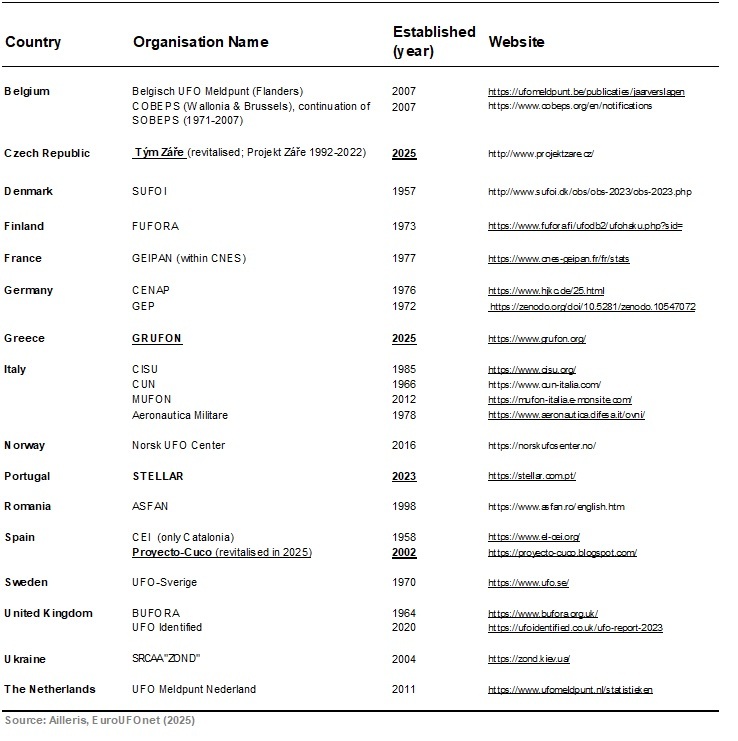
The tables and charts in this section summarize the raw data on UFO/IFO observations reported to 23 organisations across 16 European countries, for which consolidated national statistics are available. Data for the UK in 2024 are currently missing but are expected to be released next year, and information from one major Italian association is also not yet available. These countries share a key structural feature: the presence of resident civilian UAP associations or official bodies that have maintained continuous, long-term data collection and stable points of contact with EuroUfo.Net over several years (Table 3).
In these countries, UAP reports are collected within a well-defined national context, using established reporting channels and investigation procedures, and are supported by local archival practices and institutional memory. This continuity allows for the examination of interannual variations, longer-term trends, and cross-country comparisons with a reasonable degree of methodological consistency. For these reasons, only this subset of countries is included in the graphical analyses and trend-based interpretations presented below.
The data presented here have been compiled through the voluntary contributions of member organisations within the EuroUfo.Net virtual community, supplemented by publicly available statistics published by national institutions of GEIPAN in France and the Aeronautica Militare in Italy. Although differences in reporting practices and public visibility persist between countries, this primary analytical dataset represents the most robust and internally coherent foundation currently available for assessing the evolution of reported UAP activity across Europe.
Table 3. National organisations contributing data to the Primary Analytical Dataset, with year of establishment and online reporting resources.
As in previous editions, it must be emphasised that these figures reflect reported observations rather than confirmed anomalous events. The vast majority of cases ultimately correspond to misidentifications of natural or human-made phenomena. Nevertheless, the systematic collection and comparison of such reports remain essential for understanding reporting dynamics, identifying recurrent patterns, and isolating the small subset of cases that may warrant deeper investigation.
With respect to the most difficult-to-explain cases, a separate analysis focusing specifically on currently unexplained events reported over the past five to ten years would be particularly valuable. At present, such an analysis is only realistically feasible for France, where the GEIPAN makes detailed case classifications publicly available. Based on these published data, the most recent cases classified in the unexplained categories (D/D1/D2) date from 2022 (three cases), with earlier occurrences recorded in 2020 (two cases) and 2019 (one case).
Compared to last year, the dataset has also expanded in geographic scope. While the 2023 report included 11 countries (Belgium, Denmark, Finland, France, Germany, Italy, Norway, Romania, Sweden, the United Kingdom, and the Netherlands), the 2024 dataset encompasses 16 countries (Belgium, Czech Republic, Denmark, Finland, France, Germany, Greece, Italy, Norway, Portugal, Romania, Spain, Sweden, the United Kingdom, Ukraine, and the Netherlands). This larger set of 16 countries continues to represent a substantial majority of Europe’s inhabitants. The added countries: Czech Republic, Greece, Portugal, Spain, and Ukraine, contribute notable population shares in their regions, further broadening the geographical and demographic scope of the European UFO Barometer. From a numerical standpoint, the 16-country dataset now includes over 32,694 reported cases from 2019 to 2024, compared with approximately 23,800 cases from 2019 to 2023, reflecting both the inclusion of additional countries and the accumulation of new annual reports.
Table 4. Country-level totals of reported events per year
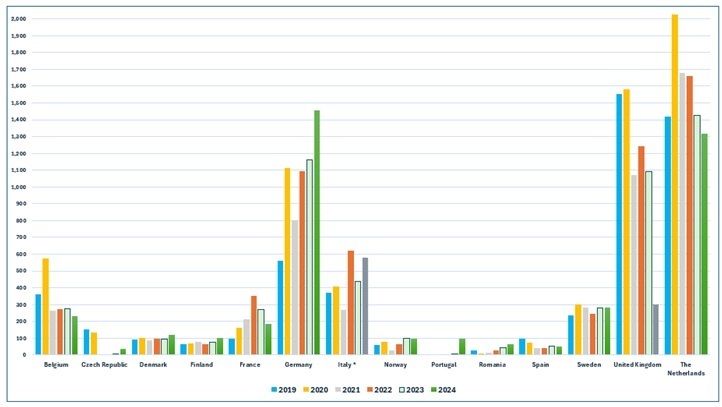
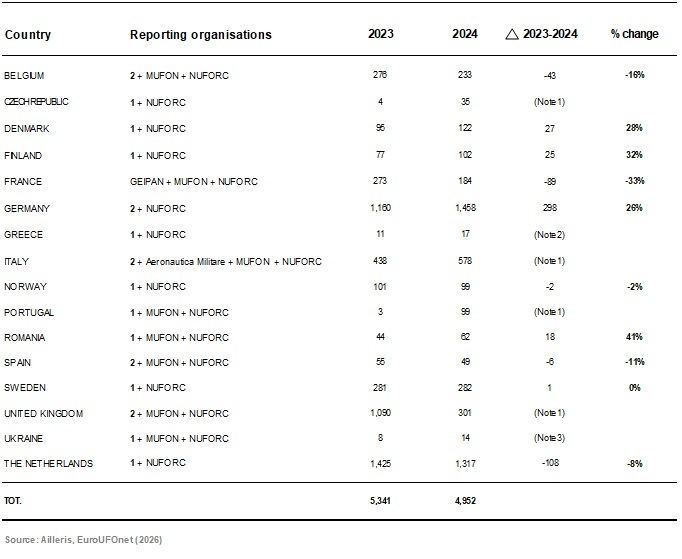
Among countries with complete data, reporting levels in 2024 vary considerably. Germany continues to show elevated activity, with reports increasing from 1,160 in 2023 to 1,458 in 2024, reflecting well-established reporting lines and clear institutional associations, while Belgium, France and the Netherlands recorded decreases, reaching 233, 184 and 1,317 reports, respectively. Denmark and Finland saw modest increases, with 122 and 102 reports, while other reporting countries, including Greece, Norway, Portugal, Romania, Spain, Sweden, Ukraine remained largely stable.
As in previous years, it is important to consider contextual factors that may influence reporting levels. For example, the Netherlands reports observations exclusively via the website of the only currently active organisation in the country. The Netherlands also has one of the highest population densities in Western Europe, with over 500 people per square kilometer. By comparison, Belgium has 380, the United Kingdom 280, Germany 240, Italy 200, and France 120 people per square kilometer. These factors, population density and the organisation of reporting channels, certainly contribute to the observed differences in the number of reports made between countries.
Overall, the preliminary 2024 data highlight the continuity of high reporting activity in some countries, such as Germany, and moderate declines in others, including Belgium and France. Smaller reporting countries remain largely stable. The expansion of the dataset to include 16 countries, together with the cumulative total exceeding 32,694 reports, underscores both the persistence of organised reporting efforts and the value of a broader European perspective in understanding trends in reported UAP activity.
Table 5. Participating countries and reporting organisations included in the Primary Analytical Dataset
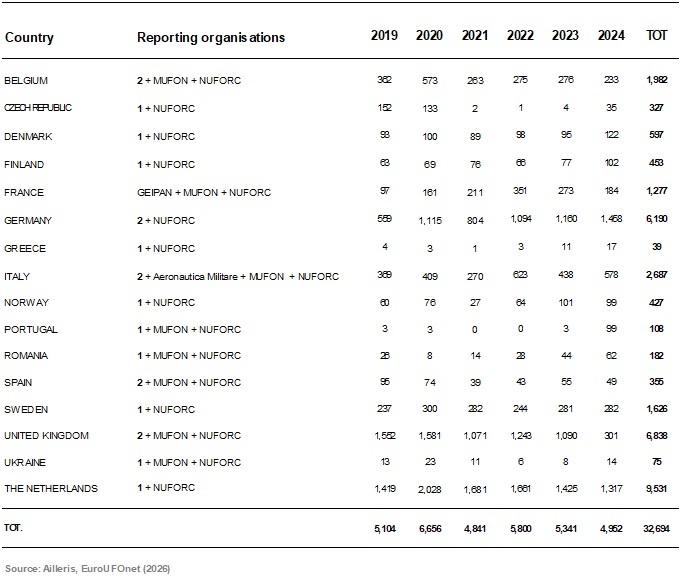
Note: Unlike other countries, the data from the Ukrainian organisation SRCAA Zond include only cases classified as not identified (GEIPAN Categories C and D [1]) and supported by photographic or video evidence. On average, Zond receives approximately 40–50 UAP-like reports per year across all categories. However, these figures represent a very minor subset of the reports received by Zond, as they exclude sightings recorded via the ePPO mobile app–based air-defense reporting system or reported by military sources and meteorologists (see below, chapter: “Special Context: UAP Reporting in Ukraine under Wartime Conditions, 2023–2024”).
[1] GEIPAN classification categories (see GEIPAN website: https://www.cnes-geipan.fr/en/node/58788.
- Classification A: Phenomenon perfectly identified after investigation.
- Classification B: Phenomenon probably identified after investigation.
- Classification C: Phenomenon not identified due to lack of data or information.
- Classification D: Phenomenon not identified after investigation.
Interannual Variations and General Pattern
To limit the risk of over-interpretation, the analysis of interannual variations in this report focuses primarily on year-to-year changes between 2023 and 2024 (see table 6). Longer-term evolutions are discussed qualitatively, as differences in reporting structures, public awareness, and investigation practices constrain the interpretability of percentage-based comparisons over extended periods. The preliminary 2024 data suggest a modest decline in the total number of reported observations compared to 2023. This decrease must be interpreted cautiously, however, as the 2024 dataset remains incomplete. Consequently, comparisons involving these countries are not directly comparable to previous years.
Among countries with complete data, several patterns can nevertheless be identified. Germany continues to display consistently high reporting levels and shows a further increase in 2024, reinforcing a long-term pattern of sustained reporting activity. By contrast, a number of countries that experienced elevated reporting around 2020, such as Belgium, France, Sweden, and the Netherlands, show more moderate levels in recent years, suggesting a stabilization following earlier peaks. Other countries, including Denmark, Finland, and Romania, exhibit gradual increases from relatively low baselines, likely reflecting improved reporting visibility or organisational continuity rather than abrupt changes in observed phenomena.
Overall, these patterns point to the predominance of structural and contextual factors, such as population density, reporting channels, and organisational capacity, in shaping national reporting levels. While short-term variations provide useful indicators of reporting dynamics, the data do not support simple interpretations in terms of changes in underlying UAP activity. It is also noteworthy that, at the European level, no sudden or general peak in reporting has been observed since the Belgium UFO wave of 1989-1990, highlighting the relative stability of reporting patterns in the decades since.
Table 6. Country-level totals of reported events and interannual variation (2023–2024)
Notes:
1. Incomplete data: 2023 and/or 2024 data are incomplete;
corresponding percentage variations are therefore not shown.
2. Low-count countries: Percentage variations based on very small absolute numbers
should be interpreted with caution and are not shown.
3, See note under Table 5 and following part.
Special Context: UAP Reporting in Ukraine under Wartime Conditions (2023–2024)
Ukraine constitutes a distinctive case within the present European UAP dataset due to the exceptional wartime conditions under which aerial observations are currently recorded. Alongside long-standing civilian research conducted by the ZOND Scientific Research Center for Aerospace Anomalies (SRCAA “Zond”) under the Aerospace Society of Ukraine since 2004, this update incorporates aggregated UAP-related inputs recorded during 2023 and 2024 through multiple reporting channels operating under conditions of sustained air-defence activity.
In addition to direct submissions received by ZOND from civilian witnesses, meteorological observers, and military-affiliated sources, a substantial volume of initial reports has been collected via the Ukrainian government’s ePPO (electronic air-defence) mobile application. The ePPO system forms part of Ukraine’s unified air-defence architecture and enables civilians to report airborne objects in real time using a standardised smartphone interface. Alongside predefined categories for aircraft, drones, missiles, and helicopters, the application includes a dedicated option for objects that eyewitnesses are unable to identify. In this operational context, the designation “UFO” is used strictly to denote an initially unidentified object at the time of observation, without any implication regarding anomalous origin.
For the purposes of this report, ZOND has provided aggregated annual totals corresponding to Array Primary Reports, i.e. initial inputs received for further processing across all available channels.
For 2023, this total amounts to 8,212 reports, and for 2024 to 8,735 reports. Within these totals, a clearly identifiable subset originates from the ePPO civilian reporting application. After excluding reports coinciding with active air-alert periods, during which misidentification rates are expected to be highest, the filtered ePPO-derived subset comprises 1,849 initially unidentified reports for 2023 (28 May - 31 Dec) and 3,410 for 2024 (1 Jan - 18 Nov) (Table 7). The majority of ePPO “unidentified” reports are subsequently resolved through automated correlation, cross-sensor analysis, and military identification procedures. The figures presented here therefore reflect an early reporting stage rather than unresolved cases in the investigative sense used by civilian UAP research organisations.
Table 7. Ukrainian UAP-related primary inputs and filtered civilian ePPO reports (2023–2024).
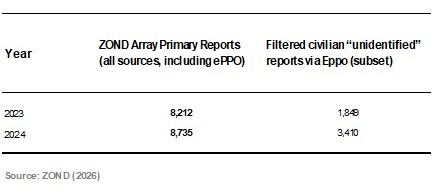
Note: ePPO figures represent a filtered subset of the total ZOND Array Primary Reports
and exclude reports coinciding with active air-alert periods
Due to their fundamentally different collection context, mixed-source aggregation, and the exceptional density of aerial surveillance over Ukrainian territory, these Ukrainian data are not included in the comparative charts or longitudinal analyses applied to other European countries. They are instead reported separately for contextual completeness, illustrating an unprecedented form of large-scale civilian participation in aerial observation under high-intensity surveillance conditions.
As in other large civilian UAP datasets, it is expected that the overwhelming majority of initial “unidentified” reports can ultimately be attributed to conventional causes or remain unclassifiable due to insufficient information. Based on experience from established European programmes such as GEIPAN, only a small residual fraction, typically on the order of a few percent, tends to persist as genuinely unexplained after systematic review.
It should be noted that Ukraine’s airspace is currently among the most intensively monitored in the world, combining large-scale civilian reporting with military radars, drones, thermal sensors, and other detection platforms deployed as part of the national air-defence system. This exceptional surveillance environment significantly increases the likelihood that unusual aerial phenomena may be detected or documented instrumentally.
While such sensor-based data fall outside the scope of the present civilian-focused Barometer, it is anticipated that the ZOND organisation may, in the future, be able to reference or integrate relevant observations derived from military or dual-use detection systems where scientifically and institutionally feasible. Initial analytical discussion of this unique observational environment is forthcoming in a dedicated paper addressing Ukrainian military UAP observations during the current phase of high-intensity conflict.
3. Complementary Dataset: UAP Reports Submitted to the MUFON Case Management System (CMS)
In addition to extending coverage to countries without resident national UAP organisations, MUFON CMS data have also been integrated, where available, into the datasets of eight countries that already possess established national reporting structures (see Table 8). In these cases, MUFON inputs serve as a supplementary source and are included alongside national statistics, without replacing them.
This section therefore presents a complementary set of UAP reports submitted to the MUFON Case Management System (CMS) from European countries where no long-standing national UAP organisation currently exists, or where no consolidated national statistics are publicly available. Unlike the primary analytical dataset examined in the previous section, these data originate from a centralized international reporting framework rather than from resident national structures embedded in local social, cultural, and institutional contexts.
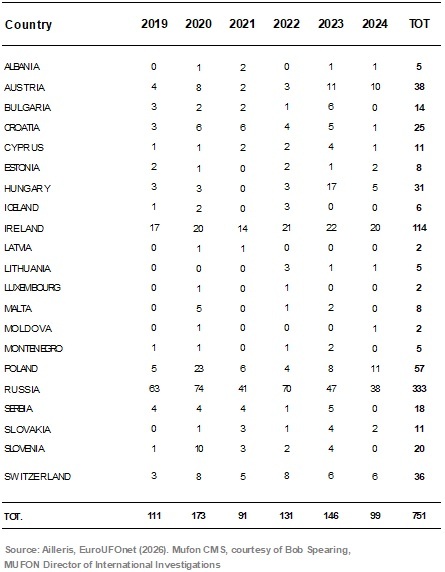
Beyond these integrations, MUFON CMS data provide a standalone complementary dataset covering 21 additional European countries not represented in the primary analytical sample (as shown in Table 6). For the 2019–2024 reference period, these MUFON-only inputs amount to a total of 751 reported events, offering a broader, though necessarily more heterogeneous, geographic perspective on UAP reporting activity across Europe.
Table 8. MUFON CMS–sourced UAP reports in European countries
without resident national reporting organisations (2019–2024)
All reports included in this dataset follow MUFON’s standardized intake and investigation procedure. Witnesses submit detailed reports through the MUFON CMS, after which each case is assigned to a trained field investigator who is required to establish contact with the witness within 72 hours. Additional information is collected, and the case is reviewed, classified, and closed, typically within a 60-day timeframe. This uniform process ensures a high level of procedural consistency across countries, even in the absence of local organisations.
However, important structural differences distinguish this dataset from the primary one. Reporting volumes in MUFON-only countries are influenced by factors such as public awareness of MUFON, language accessibility, internet usage, and media exposure, rather than by sustained national outreach or locally anchored investigative activity. Annual case numbers are generally low and discontinuous, making longitudinal trend analysis or graphical interpretation statistically fragile and potentially misleading.
For these reasons, the MUFON-sourced data presented here are limited to tabular form and are provided strictly for descriptive purposes. They are not included in the charts or comparative analyses applied to countries with resident organisations. Their primary value lies in extending the geographic coverage of the European UFO Barometer, offering baseline indicators of reporting activity, and highlighting regions where the development of local data-collection structures could significantly enhance future monitoring efforts.
Despite their descriptive nature, several broad observations can be drawn from the MUFON-sourced dataset. First, reporting volumes remain very low in most countries, often limited to single-digit annual figures, underscoring the absence of sustained national reporting infrastructures. Within this context, Russia stands out with consistently higher numbers across the reference period. This pattern can largely be attributed to a combination of structural factors, including the country’s very large geographic extent and population, the presence of an established civilian reporting channel, and a smaller number of submissions via the MUFON Case Management System. This concentration effect, rather than any inference regarding underlying phenomena, accounts for the higher aggregate figures observed for this country.
The Table 8 also highlights notable structural gaps in central and eastern Europe. Countries such as Austria and Switzerland, located at the geographic core of Europe and characterised by high levels of technological development and public connectivity, continue to rely exclusively on external reporting mechanisms. Similarly, Poland, one of Europe’s largest countries by population and territory, shows recurrent but discontinuous reporting activity, reinforcing the need for locally anchored organisations capable of providing continuity, outreach, and national-level aggregation. In this respect, the MUFON dataset serves not only as a complementary statistical input, but also as an indicator of regions where the establishment of resident data-collection structures could substantially enhance future European-wide monitoring efforts.
4. UAP Reports Submitted to the National UFO Reporting Center (NUFORC), 2019-2024
This updated edition of the European UFO Barometer incorporates, for the first time, data from the National UFO Reporting Center (NUFORC). Founded in 1974, NUFORC’s primary function is to receive, review, and archive reports from individuals who have witnessed unusual aerial phenomena. Since 1995, its website has served as the principal reporting channel, following earlier periods in which reports were submitted via telephone hotlines and postal mail.
From a methodological standpoint, submitted reports undergo an initial review process in which clearly irrelevant, duplicate, or implausible submissions are filtered out prior to publication (~30%). A substantial proportion of reports are also assigned conventional explanations, while a smaller subset of cases considered particularly striking is highlighted separately (~10%). The majority of accepted reports are published online in summary form and remain accessible for independent analysis. Unlike most national European organisations, however, NUFORC does not conduct systematic field investigations for each case; its database therefore primarily reflects structured self-reported observations rather than formally investigated events, although case-level information may be shared with qualified researchers upon request.
Within the context of this report, NUFORC constitutes a complementary source that further extends the geographical scope of European coverage. Between 2019 and 2024, NUFORC received 1,185 reports originating from 39 European countries. While numerically smaller than the MUFON contribution over the same period, NUFORC data add coverage for several countries not previously represented in EuroUfo.Net overviews, including Bosnia and Herzegovina, Kosovo, and North Macedonia, albeit with limited case numbers. In order to account for differences in reporting practices and follow-up procedures, NUFORC-sourced data are also presented separately, in tabular form only, without longitudinal trend analysis or direct comparison with nationally curated datasets.
Table 9. NUFORC-sourced UAP reports in European countries without resident national reporting organisations.
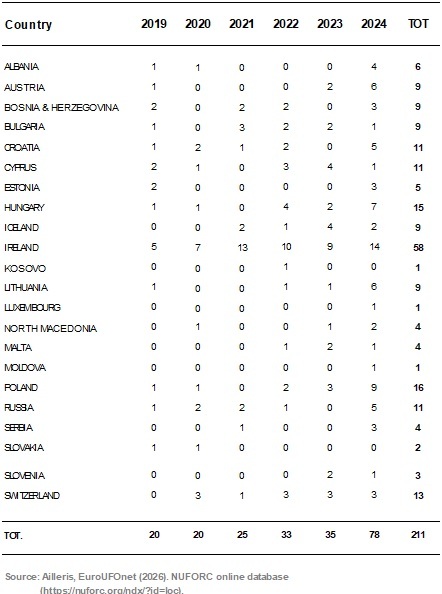
As with the MUFON-sourced data, important structural limitations shape the interpretation of the NUFORC figures presented in Table 9. Reporting volumes remain generally low and discontinuous across most countries, typically limited to single-digit annual counts, with the notable exception of the United Kingdom (covered under table 6) and Ireland, which together account for approximately 60 % of all European NUFORC submissions over the 2019–2024 period. This concentration reflects the absence of resident national reporting structures in most countries and the reliance on voluntary submissions to a foreign, English-language reporting platform, rather than sustained national outreach or locally anchored data-collection mechanisms. Consequently, these figures should not be interpreted as indicators of underlying UAP prevalence, but rather as proxies for access to the NUFORC reporting channel.
Compared with MUFON, the NUFORC dataset displays an even more diffuse reporting pattern, with fewer recurring submissions from the same countries over consecutive years. This likely reflects NUFORC’s role as a long-standing public clearinghouse rather than an organisation actively conducting outreach or maintaining international investigative networks. Nevertheless, certain countries, most notably Ireland, Poland, Switzerland, and Hungary, show recurrent reporting activity over the reference period, suggesting pockets of sustained individual engagement despite the absence of national collection frameworks.
Overall, the principal contribution of the NUFORC input lies not in quantitative trend assessment, but in broadening the empirical footprint of the European UFO Barometer and documenting the uneven institutional landscape that continues to characterise UAP reporting across the continent.
5. Conclusion
The 2025 update of the European UFO Barometer represents a clear step forward in both the breadth and depth of continental UAP reporting. Compared to previous editions, the dataset now integrates a larger number of countries, including newly established or revitalised national organisations, as well as complementary civilian reporting inputs sourced from MUFON’s Case Management System and, for the first time, from the National UFO Reporting Center (NUFORC), covering European states without resident UAP collection structures.
Taken together, these developments provide the most comprehensive overview of European UAP reporting activity compiled to date, spanning 40 European countries and more than 33,600 recorded events from 2019 to 2024.
While these figures mark an important advance, it is crucial to interpret them with caution. Reporting levels remain strongly influenced by structural and contextual factors such as the presence of national organisations, population density, public awareness, language accessibility, media exposure, and local reporting channels. Some national datasets remain incomplete, and a small number of duplicate or backdated reports may persist. Moreover, the vast majority of cases correspond to misidentifications of natural or human-made phenomena, with only a very small fraction remaining unresolved after investigation. As such, inter-country or inter-annual comparisons should be treated as indicative rather than definitive.
Despite these limitations, the update underscores the value of incremental, cooperative efforts, both formal and informal, in enhancing the quality, resilience, and scope of UAP monitoring across Europe. Networks such as EuroUfo.Net and UAP Check play a vital role in fostering continuity, methodological exchange, and collaboration, helping to overcome the fragmentation and gaps that have historically limited continental analyses. In this respect, the MUFON and NUFORC datasets play complementary roles: while limited in volume and investigative depth, they extend coverage into regions otherwise absent from European overviews and help identify persistent structural blind spots where even minimal reporting activity suggests the potential value of developing locally anchored organisations. These patterns are particularly evident in parts of central and eastern Europe, where national reporting infrastructures remain uneven or entirely absent.
The report also illustrates how exceptional national contexts can influence reporting pathways. Recent civilian reporting initiatives in Ukraine, operating under extraordinary security and surveillance conditions, demonstrate that non-traditional channels may temporarily substitute for conventional civilian organisations, while simultaneously highlighting the long-term importance of institutional continuity and transparency in data collection.
Overall, the 2025 update demonstrates that a broader and more inclusive European UFO Barometer is both feasible and already taking shape. Continued cooperation, transparency, and sustained effort by national researchers and volunteer organisations will be essential to consolidate this progress, improve data completeness, and deepen understanding of the long-term dynamics of reported UAP activity across Europe
In this perspective, it is worth noting a recent initiative emerging within EuroUfo.Net that directly complements the annual statistical work presented in this report. Following discussions among European researchers at the SOL Symposium in Baveno in 2025, EuroUfo.Net and UAP Check launched a joint pilot project aimed at creating a public “Euro UFO Index”. The objective of this initiative is not to provide an additional analytical dataset, but rather a simple, transparent catalogue listing basic information on reported UFO/UAP observations, such as date, location, and broad sighting category, while linking each entry to the originating organisation for further details.
As a first, deliberately limited experiment, participating organisations have been invited to contribute a small subset of records for the year 2024 only, thereby minimising the workload and allowing a practical assessment of feasibility and willingness to cooperate. At the time of writing, a beta version of the Euro Ufo Index is already online[3] and includes approximately 3,000 reports contributed by several national partners, out of an expected total of around 4,700 entries for the pilot phase.
Although the Euro Ufo Index is not intended as a research tool, it offers a clear continental overview of when and where UFO/UAP reports are being submitted in Europe, and it provides a concrete foundation for future cooperation. Together with the annual statistical Barometer, this initiative illustrates how modest, cooperative steps can gradually strengthen European-level visibility, continuity, and transparency in the documentation of UAP reporting activity.
Finally, beyond aggregate reporting volumes, future annual updates would benefit from a focused examination of the most difficult-to-explain cases. A dedicated analysis of events that remain officially classified as unexplained over a rolling five- to ten-year period could provide a qualitatively different perspective on European UAP reporting. Currently, this approach is realistically feasible only in France, where GEIPAN publishes detailed case classifications. According to these publicly available data, the most recent reports assigned to unexplained categories (D/D1/D2) date from 2022 (three cases), with earlier occurrences recorded in 2020 (two cases) and 2019 (one case). These data illustrate both the analytical value of transparent classification schemes and the relative rarity of genuinely unresolved cases within rigorously curated national datasets.
In this context, the joint initiative to establish a public Euro UFO Index is an important step toward continental visibility and cooperation. Complementing this index with a dedicated “unexplained cases” instrument, limited to events formally classified as unresolved by competent national organisations, would not aim to increase volume, but rather to enhance analytical relevance and comparability. Extending this approach across Europe, where feasible, would represent a significant methodological advance and a natural evolution of the cooperative framework outlined in this report.
ACKNOWLEDGMENTS
The author sincerely thanks all national coordinators and researchers who, on a yearly basis, make their data freely available for this study and whose sustained dedication and voluntary efforts form the foundation of European-level UAP research. Their long-term commitment to data collection, investigation, and transparency is essential to the continuity and credibility of this work.
Special thanks are extended to Edoardo Russo (CISU), founding member of EuroUfo.Net and UAP Check board member, for his valuable assistance and continued support in the preparation of this annual report. The author also gratefully acknowledges Robert Spearing, MUFON Director of International Investigations, for authorising the use of MUFON Case Management System (CMS) data, thereby significantly expanding the geographic scope of this research. He also expresses its sincere appreciation to Christian Stepien, NUFORC Chief Technology Officer, for his cooperation and for authorising the inclusion of aggregated European statistics in this report.
The author further wishes to thank Giorgio Abraini for reviewing the manuscript and offering constructive comments and suggestions that helped improve the clarity and overall quality of the report.
As a result of an unprecedented international cooperation, this article is also published on the participating organizations' websites in their own different languages.
The first version of this article, published on December 24th, 2025, may still be read on EuroUfo.net website.
[1] Philippe Ailleris (2024, June 30), European UAP sightings in 2019–2023: Raw data by country and year, EuroUfoNet.
[2] Cockrell, R. C., Murphy, L., & Rodeghier, M. (2023). Social Factors and UFO Reports: Was the SARS-CoV-2 Pandemic Associated with an Increase in UFO Reporting? Journal of Scientific Exploration, 36(4), 641–656. https://doi.org/10.31275/20222681